
Free women’s health tool
Period and fertile window tracker
Log the first day of each period. The tracker estimates your next period, ovulation and fertile window, and keeps everything on your own device.
Estimates only, and not contraception. Dates are predictions from a calendar and can be wrong, especially when cycles vary. Do not rely on them to prevent pregnancy.
Used until you have logged at least 3 cycles. Count from the first day of one period to the day before the next. 28 is the average.
Your logged periods
No periods logged yet. Add the first day of your last period to begin.
Private by design. Your period dates is saved only in this browser on this device. It is never sent to us or anyone else, and there is no account. Clearing your browser data removes it. Saving is switched off in this browser, so nothing will be remembered after you close the page.
Your estimates and calendar will appear here once you add a period.
Next period (estimate)
Ovulation (estimate)
Fertile window (estimate)
- ●Period (logged)
- ○Predicted period
- ▲Fertile window
- ★Ovulation
- Today
The calendar file adds your next period and the start of your fertile window, each with a reminder 2 days before. It is created in your browser.
Estimates only. This tool gives a general estimate based on the information you enter. It is not a diagnosis or medical advice. Please consult your doctor to confirm dates and for personal guidance. Nothing you enter is sent anywhere: the calculation runs in your browser.
How the estimates work
- Cycle length. A cycle is counted from the first day of one period to the day before the next. The NHS gives an average gap of about 28 days. Gaps shorter than 15 or longer than 60 days are ignored as likely logging mistakes.
- Prediction. With 3 or more logged cycles the tracker averages the latest ones (up to 6). With fewer it uses the usual cycle length you enter.
- Ovulation. Most people ovulate about 14 days before their next period begins, so the estimate is your next period minus 14 days.
- Fertile window. From 5 days before ovulation to 1 day after. An egg lives about 12 to 24 hours after ovulation and sperm can live in the uterus for around 3 to 5 days.
When to talk to a doctor
The NHS says periods are irregular when the gap between them is under 21 days or over 35 days, and advises seeing a GP if your periods are irregular or your usual pattern changes, last longer than 7 days, come with bleeding between periods, or you are finding it hard to get pregnant. NHS Wales advises seeing a GP after 3 missed periods in a row. A review of the FIGO guidance describes normal variation from one cycle to the next of up to 9 days for ages 18 to 25 and 42 to 45, and up to 7 days for ages 26 to 41. Guidelines vary, so this tool shows a gentle prompt rather than a verdict. Book an appointment if you are unsure. Related reading: PCOS symptoms and care.
This is not a method of contraception. Cycles change with stress, illness, breastfeeding, weight change and conditions such as PCOS.
Sources
- NHS: Irregular periods (average 28 days; irregular under 21 or over 35 days; when to see a GP).
- NHS 111 Wales: Periods, missed or late (3 missed periods in a row).
- Cleveland Clinic: Ovulation (ovulation about 14 days before the period; egg 12 to 24 hours; sperm 3 to 5 days; fertile days 5 before to 1 after).
- Review of the FIGO abnormal uterine bleeding systems (PMC) (normal cycle 24 to 38 days; variation up to 7 to 9 days by age).
The 3-cycle average, 15 to 60 day limits and 90-day prompt come from Gynexa and are not taken from these pages.


Talk to a doctor
A calculator cannot replace a check-up. Our team can confirm your dates and plan your care.
Related reading
Women's Health · 7 min read
Tips for Maintaining Women's Reproductive Health
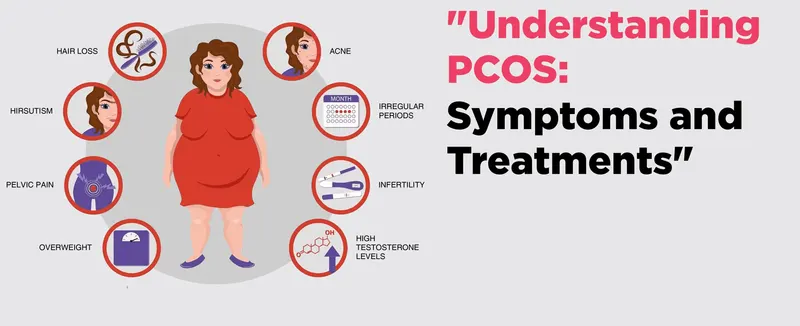
Gynecology · 8 min read
Understanding PCOS: Symptoms, Causes and Treatment
Gynecology · 8 min read
Infertility: When Should Couples Seek Medical Help?


More free tools
Frequently asked questions
How does the tracker predict my next period?
It uses the gaps between the period start dates you log. Once you have logged at least 3 cycles it averages the most recent ones (up to 6). Until then it uses the usual cycle length you enter, 28 days by default. The next period is your last start date plus that length, and ovulation is estimated about 14 days before it.
What is the fertile window shown here?
It is the 5 days before the estimated ovulation day, the ovulation day itself and the day after. Sperm can live for several days, while an egg lives for about 12 to 24 hours. It is a calendar estimate, and real ovulation can come earlier or later.
Can I use this to avoid pregnancy?
No. This is not a method of contraception. Ovulation can shift from cycle to cycle, so a calendar estimate cannot reliably prevent pregnancy. Please speak to a doctor about family planning.
What counts as an irregular cycle?
The NHS describes periods as irregular when the gap between them is under 21 days or over 35 days. Cycles that vary by more than about 7 to 9 days from one month to the next are also commonly noted, and guidelines differ a little. If your pattern changes or worries you, talk to a doctor.
Is my data saved or sent anywhere?
Your dates are saved only in this browser on this device, so you can come back to them. They are never sent to us or anyone else, and there is no account. Use the Clear button to remove them at any time.
Your care journey starts with one call
Book a visit, ask a question on WhatsApp, or call us any time. Delivery and emergency care are open 24/7.