
Speciality 4 of 6
Infertility & Reproductive Care
Advanced assisted reproduction services including IUI, IVF, and fertility counseling.
- IUI
- IVF
- Fertility counseling
Overview
What this care involves
Infertility is usually defined as not conceiving after 12 months of regular unprotected intercourse, or after 6 months if the woman is over 35. It is common and it can involve either partner or both, so both partners are usually assessed.
Care starts with talking through your history and doing basic tests. Depending on the findings, options can range from lifestyle advice and medicines to assisted reproduction such as IUI (intrauterine insemination) and IVF (in vitro fertilisation). Fertility counseling supports you emotionally along the way.
At Chaitanya Hospital
Advanced assisted reproduction services including IUI, IVF, and fertility counseling.
24/7 delivery and emergency care. Near RTC Bus Stand, Simhapuri Colony, Kadapa, AP 516001.
Awareness guide
When to see a doctor
- You have been trying for 12 months without success (6 months if the woman is over 35).
- Periods are very irregular, very painful or absent.
- You know of a condition that can affect fertility, such as PCOS or endometriosis, or had pelvic surgery or infection.
- You have had more than one miscarriage.
- You simply want to understand your fertility before trying.
Step by step
What to expect
A general outline of how this kind of care usually unfolds. Your own plan will be set by your doctor.
- 1
Consultation
A conversation about your health, cycles and how long you have been trying, for both partners.
- 2
Basic tests
Simple investigations to look for common causes, for the woman and the man.
- 3
Treatment options
Your doctor explains choices, from lifestyle changes and medicines to IUI and IVF, with the pros and limits of each.
- 4
Counseling and support
Fertility counseling helps you cope with the stress that often comes with the journey.
- 5
Follow-up
Progress is reviewed and the plan is adjusted with you.
From our health blog
Related reading
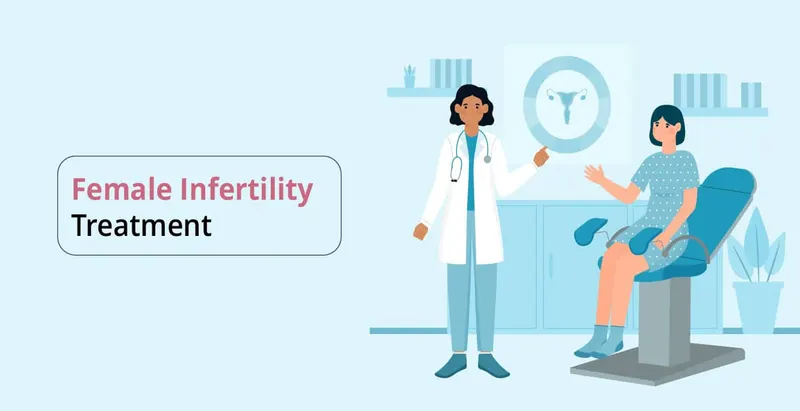
Gynecology · 8 min read
Infertility: When Should Couples Seek Medical Help?
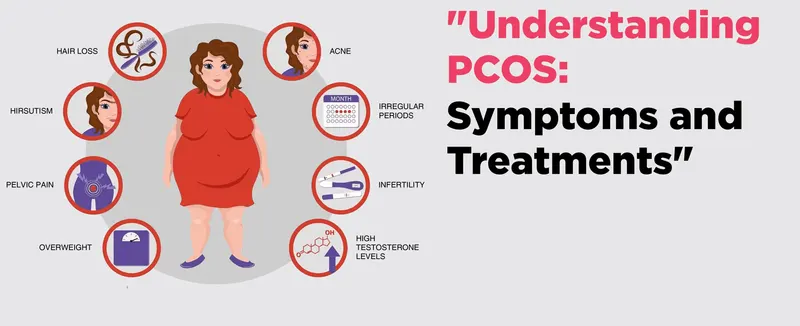
Gynecology · 8 min read
Understanding PCOS: Symptoms, Causes and Treatment
Women's Health · 7 min read
Tips for Maintaining Women's Reproductive Health
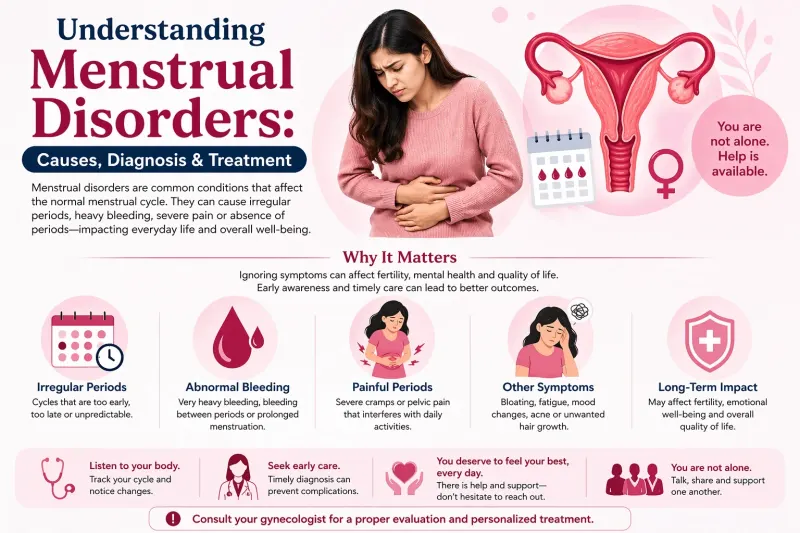
Women's Health · 7 min read
Understanding Menstrual Disorders and When to See a Doctor


Please note: this page is general educational information. It is not a substitute for advice from a doctor and does not diagnose or treat any condition. For personal advice please book a consultation, and in an emergency call us or your local emergency service.
Infertility & Reproductive Care: common questions
When should we see a doctor about conceiving?
After 12 months of trying, or 6 months if the woman is over 35. Earlier is sensible with irregular periods, known conditions or repeated miscarriage.
Is infertility only a woman’s issue?
No. Causes can lie with the woman, the man, both, or remain unexplained. That is why both partners are usually advised to be assessed.
What is IUI?
In intrauterine insemination, prepared sperm is placed in the womb around the time of ovulation. It is one of the assisted reproduction options your doctor may discuss.
What is IVF?
In vitro fertilisation combines eggs and sperm in a laboratory, and a resulting embryo is placed in the womb. Whether it suits you depends on your tests and your doctor’s advice.
Does treatment guarantee a pregnancy?
No treatment can promise a pregnancy, and outcomes differ from person to person. Your doctor will talk honestly about what to expect in your situation.
Can lifestyle changes help?
A healthy weight, balanced diet, regular activity, no smoking and limited alcohol support fertility for both partners. Ask your doctor for personal advice.
Your care journey starts with one call
Book a visit, ask a question on WhatsApp, or call us any time. Delivery and emergency care are open 24/7.