
Free fertility tool
Ovulation calculator
Enter the first day of your last period and your usual cycle length to estimate your fertile window and ovulation day.
Your fertile window will appear here.
Likely ovulation
Fertile window
Next period
- Ovulation day
- Fertile window
- Period starts
The next three cycles
Estimates only. This tool gives a general estimate based on the information you enter. It is not a diagnosis or medical advice. Please consult your doctor to confirm dates and for personal guidance. Nothing you enter is sent anywhere: the calculation runs in your browser.
How ovulation is estimated
Ovulation is when an ovary releases an egg. In most cycles it happens about 14 days before the next period begins, so the day depends on how long your cycle is. In a 28-day cycle that is around day 14, but in a 35-day cycle it is nearer day 21.
An egg lives for roughly a day, while sperm can survive for up to several days. That is why the days before ovulation count as fertile. This calculator marks the 5 days before ovulation and the ovulation day itself.
Good to know
- Stress, illness, travel and conditions such as PCOS can move ovulation.
- If your cycle length changes a lot, treat the dates as a rough guide.
- If you have been trying for a year (or six months if you are over 35) without success, consider speaking to a doctor. See when couples should seek help.
Our Infertility & Reproductive Care speciality offers IUI, IVF and fertility counseling. You can read more here.


Talk to a doctor
A calculator cannot replace a check-up. Our team can confirm your dates and plan your care.
Related reading
Gynecology · 8 min read
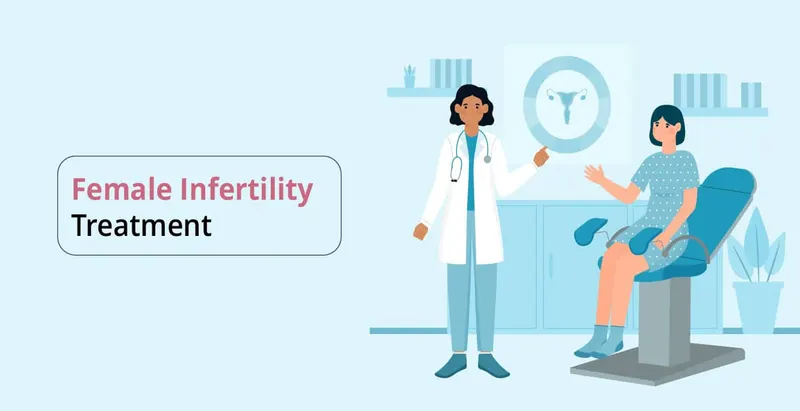
Infertility: When Should Couples Seek Medical Help?
Gynecology · 8 min read
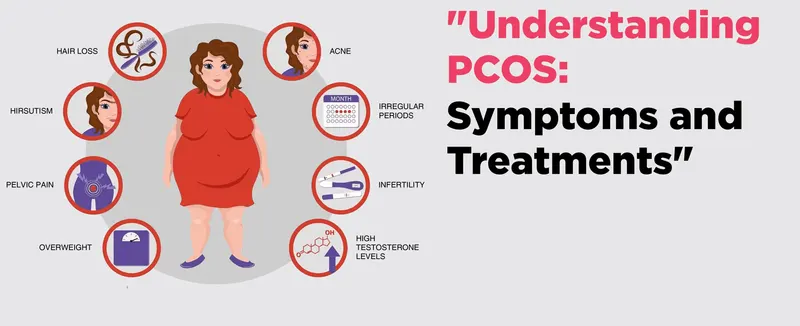
Understanding PCOS: Symptoms, Causes and Treatment
Women's Health · 7 min read
Tips for Maintaining Women's Reproductive Health


More free tools
Frequently asked questions
How does the ovulation calculator work?
It assumes ovulation happens about 14 days before your next period starts. The fertile window is the 5 days before ovulation plus the day of ovulation itself, because sperm can survive for several days.
What if my cycle is irregular?
The result will be less reliable when your cycle length changes from month to month. If your periods are irregular or you have been trying to conceive for a while, speak to a doctor.
Can I use this to prevent pregnancy?
No. This is an estimate and is not a method of contraception. Please speak to your doctor about family planning.
When should we seek help with conceiving?
Our article on infertility explains when couples may wish to seek medical help. A doctor can guide you based on your age and history.
Your care journey starts with one call
Book a visit, ask a question on WhatsApp, or call us any time. Delivery and emergency care are open 24/7.