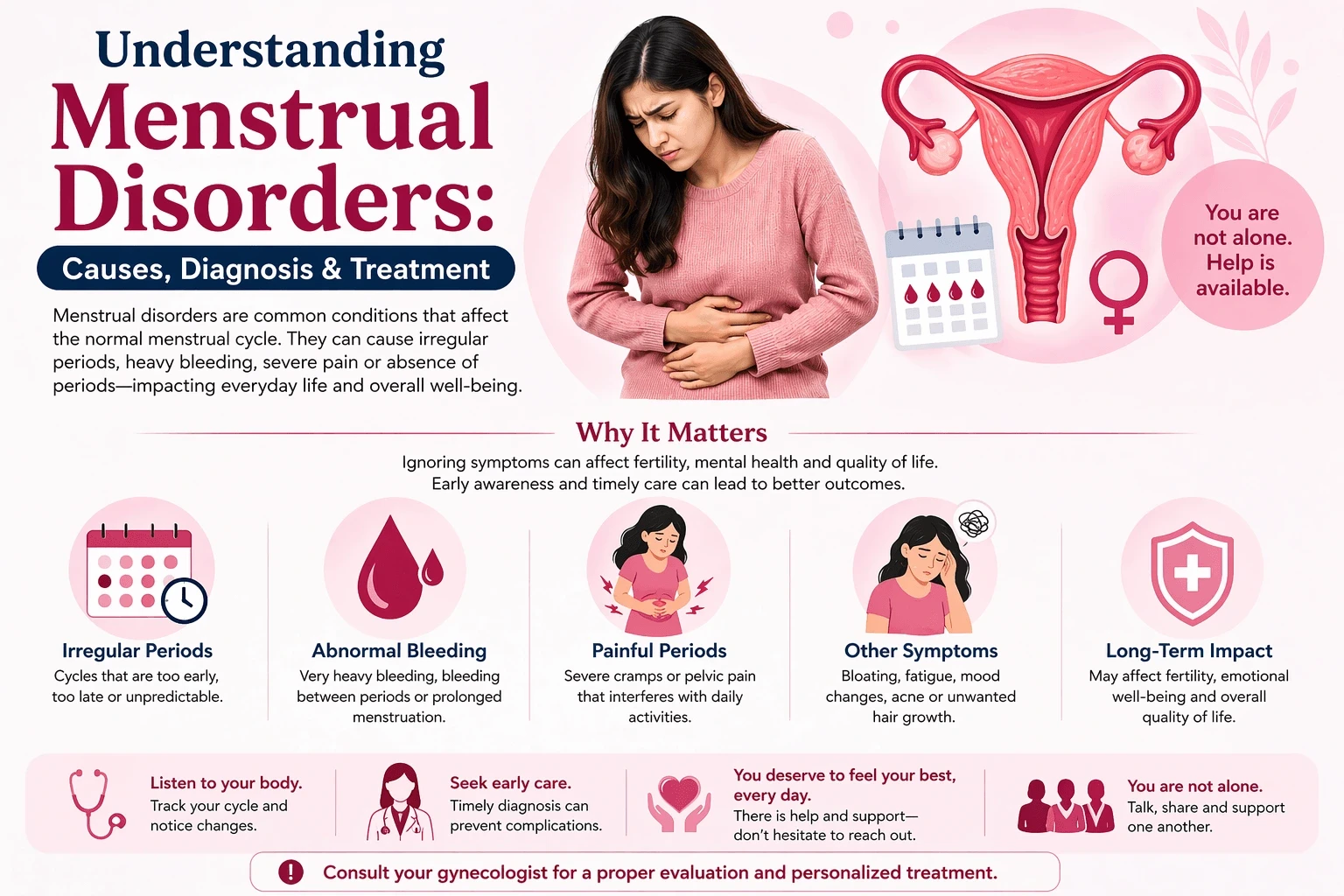
Tips for Maintaining Women's Reproductive Health
Women's Health
Chaitanya Hospital Medical Team
7 min read

Reproductive health is often discussed only in the context of specific problems — an infection, an irregular cycle, a fertility concern. But much like heart health or bone health, reproductive wellbeing benefits enormously from consistent, everyday habits that reduce risk and support your body long before any issue arises.
Here are practical, medically grounded habits that genuinely make a difference.
1. Keep Up With Routine Screenings
Regular gynecological checkups, Pap smears, and breast examinations remain one of the most effective tools for catching potential issues early, often before symptoms even appear. Skipping these visits because you feel fine is one of the most common — and avoidable — gaps in reproductive healthcare.
2. Practice Good Menstrual Hygiene
Change pads, tampons, or menstrual cups regularly, following recommended time limits
Wash the genital area with plain water or a mild, pH-balanced cleanser rather than harsh soaps
Avoid scented products in the intimate area, as they can disrupt natural bacterial balance and lead to irritation or infection
Wear breathable cotton underwear, especially during menstruation
3. Maintain a Balanced Diet
Nutrition plays a direct role in hormonal balance and reproductive function.
Iron-rich foods help replenish what's lost during menstruation and prevent anemia
Healthy fats, such as those from nuts and seeds, support hormone production
Fiber-rich foods help the body regulate estrogen levels effectively
Limiting excess sugar and processed food supports more stable insulin levels, which in turn supports hormonal balance
4. Stay Physically Active
Regular exercise supports hormonal regulation, healthy weight maintenance, and reduced menstrual pain for many women. Even moderate activity, like brisk walking for 30 minutes most days, offers meaningful benefits.
5. Manage Stress Levels
Chronic stress can disrupt the hormonal signals that regulate ovulation and menstrual cycles. While eliminating stress entirely isn't realistic, building in consistent stress-management habits — deep breathing, short daily walks, adequate sleep, or hobbies that genuinely help you unwind — supports better hormonal balance over time.
6. Practice Safe Sexual Health Habits
Use protection to reduce the risk of sexually transmitted infections
Get tested regularly if you have multiple partners or any risk factors
Communicate openly with partners about sexual health
Don't ignore symptoms like unusual discharge, odour, or discomfort after intercourse
7. Prioritize Sleep
Sleep affects hormone regulation more significantly than many people realize. Poor or inconsistent sleep can disrupt the hormones responsible for ovulation and cycle regularity over time.
8. Stay Hydrated
Adequate hydration supports healthy vaginal tissue, aids in flushing out toxins, and can help reduce bloating often associated with the menstrual cycle.
9. Avoid Smoking and Limit Alcohol
Smoking is linked to earlier menopause, reduced fertility, and increased risk of several reproductive health conditions. Excessive alcohol consumption can similarly disrupt hormonal balance and fertility over time.
10. Know Your Family History
Understanding your family's history of conditions like breast cancer, ovarian cancer, endometriosis, or early menopause allows your doctor to tailor screening recommendations specifically for you, rather than relying on generic guidelines alone.
Tip: Keep a simple record — even a note on your phone — of your cycle length, any recurring symptoms, and family health history. This makes every doctor's visit more productive and helps track patterns over time.
Reproductive Health at Different Life Stages
Teens and early 20s: Focus on menstrual education, healthy habits, and establishing a comfortable relationship with a gynecologist
20s to 30s: Focus on preventive screening, contraception or fertility planning, and addressing any hormonal irregularities early
30s to 40s: Continue routine screening while paying attention to fertility timelines if pregnancy is a future goal
Perimenopause and beyond: Focus on managing hormonal transition symptoms and increased screening for age-related conditions
When Healthy Habits Aren't Enough
Good habits significantly reduce risk, but they don't replace medical care when symptoms appear. If you notice persistent changes — irregular cycles, unusual pain, unexpected bleeding — these still need medical evaluation, regardless of how consistently you've maintained a healthy lifestyle.
Frequently Asked Questions
1. Can diet alone fix hormonal imbalances?
Diet can meaningfully support hormonal balance, but significant imbalances, such as those caused by PCOS or thyroid disorders, usually require medical management alongside lifestyle changes.
2. How much exercise is ideal for reproductive health?
Most guidelines suggest at least 150 minutes of moderate activity per week, though the right amount varies by individual health status and should be discussed with your doctor if you have specific conditions.
3. Does stress really affect fertility?
Chronic, significant stress can disrupt ovulation and cycle regularity, which may in turn affect fertility, though it's rarely the sole cause of fertility difficulties.
4. Is it necessary to see a gynecologist if I have no symptoms at all?
Yes. Many reproductive health conditions develop silently in early stages, which is exactly why routine checkups matter even without symptoms.
5. Are natural or herbal supplements safe for reproductive health?
Not all supplements are well-studied or safe, and some can interact with medications or existing conditions. It's best to discuss any supplement with your doctor before starting it.
6. Can poor sleep really affect my menstrual cycle?
Yes. Sleep plays a significant role in regulating the hormones responsible for ovulation and cycle timing, and chronic sleep disruption can contribute to irregular cycles.
Conclusion
Reproductive health isn't only about responding to problems — it's built through small, consistent habits maintained over time. Balanced nutrition, regular screening, stress management, and open communication with your doctor together form a strong foundation for long-term wellbeing.
Partner With Us for Your Reproductive Health
The team at Chaitanya Hospital, Kadapa is here to support your reproductive health at every life stage, from preventive guidance to specialized care. Book an appointment today and take a proactive step toward long-term wellbeing.
Have Questions?
Our medical team at Chaitanya Hospital is here to help. Book an appointment to discuss your questions with a doctor.