Preparing Your Hospital Bag Before Delivery
Pregnancy
Chaitanya Hospital Medical Team
6 min read
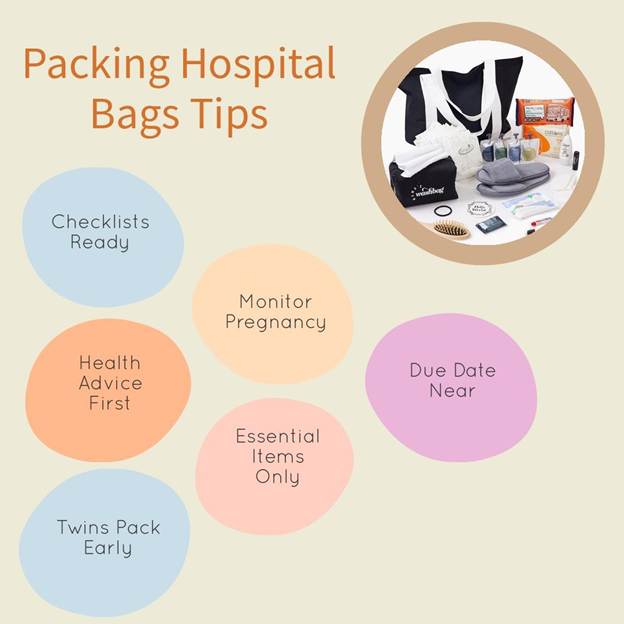
There's a particular kind of peace that comes from knowing your hospital bag is already packed and waiting by the door. Labour can begin earlier than expected, and having everything ready in advance means you can focus entirely on yourself and your baby when the time comes, rather than scrambling to find essentials.
Most doctors recommend having your hospital bag ready by week 36, though it's worth starting the list even earlier if you tend to feel more prepared with extra time.
For the Mother
Documents and Essentials
Antenatal file, ID proof, and any hospital registration documents
Insurance details, if applicable
A list of current medications and known allergies
Comfort and Clothing
Loose, comfortable nightwear (2–3 sets, front-open for easier breastfeeding access)
A comfortable robe or shawl
Warm socks
Nursing bras (2–3)
Comfortable clothes to wear home, allowing room for your post-delivery body
Toiletries
Toothbrush, toothpaste, and basic skincare items
Hairbrush and hair ties
Lip balm, as hospital rooms can be dry
Sanitary pads (maternity-specific, high absorbency)
Disposable underwear, which many women find convenient in the first days postpartum
Comfort Items
Your own pillow, if you have a favourite
Phone charger with an extra-long cable
Earphones or a small speaker for music during early labour
Snacks for after delivery (light, energy-friendly options)
For the Baby
Soft newborn-size clothing (5–6 sets, as babies can need frequent changes)
A soft cap and mittens, especially important for temperature regulation in the first days
Swaddling cloths or a light blanket
Newborn diapers
A going-home outfit, weather-appropriate
Tip: Avoid buying too many newborn-size clothes in advance — babies grow quickly, and you may end up needing the next size sooner than expected.
For the Birth Partner
A change of clothes and basic toiletries
Snacks and water, since labour can take longer than expected
A phone charger
Entertainment for potential waiting periods, such as a book or downloaded shows
Cash or cards for any incidental hospital expenses
Optional but Helpful Additions
A birth plan printout, if you've discussed preferences with your doctor
A notebook to jot down questions or instructions from the medical team
A camera, if you'd like photos beyond what your phone can capture
What NOT to Overpack
It's easy to over-prepare. Avoid packing:
Excess jewellery or valuables
Large quantities of baby products "just in case" — most hospitals provide basic newborn essentials
Multiple pairs of shoes or bulky outerwear unless the weather truly requires it
A Simple Packing Checklist
Documents and ID
Loose nightwear and nursing bras
Maternity sanitary pads
Toiletries
Phone charger
Newborn clothes and cap
Diapers
Going-home outfits for mother and baby
Snacks for you and your birth partner
Birth plan or notes for your doctor
When Should You Actually Head to the Hospital?
Packing early is helpful, but knowing when to leave matters just as much. Generally, it's time to head in when:
Contractions occur regularly, about every 5 minutes, each lasting around a minute, for at least an hour
Your water breaks, regardless of whether contractions have started
You notice a significant reduction in fetal movement
You experience vaginal bleeding
You have any symptom that feels urgent or unusual
If you're ever unsure, it's always safer to call your hospital and describe your symptoms rather than waiting it out at home.
Frequently Asked Questions
1. When should I pack my hospital bag?
Most doctors recommend having it ready by week 36, though earlier is fine if it helps you feel more prepared.
2. Do hospitals provide basic newborn supplies?
Many hospitals do provide basic essentials, but it's best to confirm with your specific hospital and pack a reasonable backup supply regardless.
3. Should I pack differently for a planned C-section versus a normal delivery?
The core items remain the same, though C-section recovery may mean packing slightly looser, higher-waisted clothing for comfort around the incision area.
4. How many outfits should I pack for the baby?
5–6 newborn-size outfits are generally sufficient for a short hospital stay, along with a separate going-home outfit.
5. Is it necessary to pack a birth plan?
It's optional, but having your preferences written down can make communication with your medical team smoother, especially during active labour.
6. What if labour starts before my bag is packed?
Focus on the essentials first — documents, comfortable clothing, and toiletries. Most other items can be brought later by a family member if needed.
Conclusion
A well-packed hospital bag is a small act of preparation that brings real peace of mind. When labour begins, the last thing you want to worry about is what you forgot to pack — so take the time in your third trimester to get this simple task done early.
Plan Your Delivery With Confidence
At Chaitanya Hospital, Kadapa, our maternity team supports you through every stage of labour and delivery, with round-the-clock care for both mother and baby. Book an appointment today to discuss your delivery plan and get personalized guidance on what to prepare.
Have Questions?
Our medical team at Chaitanya Hospital is here to help. Book an appointment to discuss your questions with a doctor.


