Importance of Vaccination for Newborn Babies
Neonatal Care
Chaitanya Hospital Medical Team
7 min read
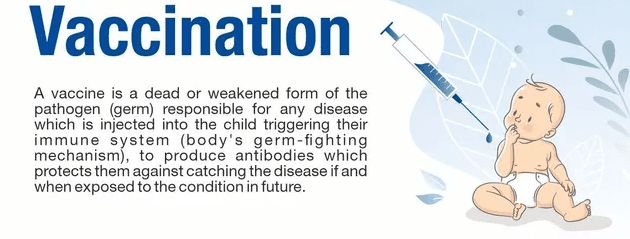
A newborn's immune system is still developing, which makes early life one of the most vulnerable periods for serious infections — and one of the most important times for vaccination protection. Vaccines have significantly reduced the impact of several once-common childhood diseases, and following the recommended schedule remains one of the most effective ways to protect your baby's health.
Why Vaccination Matters So Early
Newborns are born with some temporary immunity passed from their mother, but this protection fades within the first few months, well before a baby's own immune system is fully capable of fighting off certain serious infections. Vaccines work by training the immune system to recognize and respond to specific diseases, often before natural exposure could pose a real risk.
The Typical Early Vaccination Schedule
While exact schedules can vary slightly and should always be confirmed with your pediatrician, a general early-life vaccination timeline includes:
At Birth
BCG (protects against severe forms of tuberculosis)
Hepatitis B (first dose)
OPV (oral polio vaccine, birth dose)
6 Weeks
DTP (diphtheria, tetanus, pertussis) — first dose
Hepatitis B — second dose
Hib (Haemophilus influenzae type b)
IPV/OPV (polio)
Rotavirus vaccine
PCV (pneumococcal conjugate vaccine)
10 Weeks and 14 Weeks
Second and third doses of the above vaccines, following the same combination schedule
6 Months
Additional doses of Hepatitis B, OPV, and other scheduled vaccines
Influenza vaccine, where recommended
9 Months
Measles-containing vaccine (often combined as MMR — measles, mumps, rubella)
Your pediatrician will provide an exact, personalized schedule and may adjust timing based on your baby's health and any specific risk factors.
Common Questions About Vaccine Safety
Vaccines undergo extensive testing before approval and continued safety monitoring afterward. Serious side effects are rare, and the diseases vaccines prevent carry far greater risks than the vaccines themselves for the overwhelming majority of infants.
Common, mild, and temporary side effects can include:
Mild fever
Soreness or redness at the injection site
Slight fussiness or reduced appetite for a day or two
These typically resolve within 24–48 hours and are a normal sign of the immune system responding appropriately.
Warning: Contact your doctor promptly if your baby develops a high fever, appears unusually lethargic, has difficulty breathing, or shows signs of a severe allergic reaction after a vaccine, though such reactions are rare.
Managing Post-Vaccination Discomfort
A cool, damp cloth on the injection site can help ease soreness
Doctor-approved fever-reducing medication may be used if recommended by your pediatrician
Extra comfort, feeding, and cuddling can help soothe a fussy baby
Most symptoms resolve within a day or two without any specific treatment needed
Why Sticking to the Schedule Matters
Delaying or skipping vaccines — even with the intention to "catch up later" — leaves your baby vulnerable to serious diseases during the exact window when they're most at risk. Vaccine schedules are carefully designed based on when a baby's immune system can respond effectively and when natural protection from the mother has typically faded.
Addressing Common Concerns
Many parents have questions or hesitations about vaccination, often based on things they've read or heard informally. It's completely reasonable to have questions — the most reliable way to address them is a direct conversation with your pediatrician, who can speak to your baby's specific health history and clarify any concerns based on established medical evidence, rather than relying on unverified sources.
Keeping Track of Your Baby's Vaccination Record
Maintain a physical or digital vaccination card, updated at every visit
Bring this record to every pediatric appointment, including general checkups
Keep a copy accessible for school admissions or travel requirements later in childhood
Frequently Asked Questions
1. Are vaccines safe for newborns?
Yes. Vaccines given in the newborn schedule have been extensively studied and are considered safe and effective for protecting infants during their most vulnerable early months.
2. What if we miss a scheduled vaccine dose?
Contact your pediatrician as soon as possible to reschedule. Most vaccines can be caught up without needing to restart the full series, but timing matters, so don't delay longer than necessary.
3. Can my baby be vaccinated if they have a mild cold?
In many cases, yes — a mild illness without fever usually doesn't require postponing vaccination, but your pediatrician will make this assessment at the time of the visit.
4. Do vaccines overwhelm a newborn's immune system?
No. A newborn's immune system encounters and responds to far more challenges through everyday environmental exposure than through the antigens contained in vaccines.
5. Is it necessary to follow the exact schedule, or can vaccines be spread out more?
The recommended schedule is designed to protect your baby during the specific windows of highest vulnerability. Delaying vaccines beyond the recommended timeline can leave your baby unprotected for longer than necessary.
6. What should I do if my baby has a reaction to a vaccine?
Mild reactions like soreness or low-grade fever are common and manageable at home. Contact your doctor promptly for any severe or concerning symptoms following vaccination.
Conclusion
Vaccination remains one of the most effective, well-studied tools available to protect your newborn from serious, preventable diseases during their most vulnerable early months. Following the recommended schedule, and discussing any concerns openly with your pediatrician, gives your baby the strongest possible start.
Schedule Your Baby's Vaccinations
The pediatric and neonatal care team at Chaitanya Hospital, Kadapa is here to guide you through your baby's complete vaccination schedule with care and clear communication. Book an appointment today to stay on track.
Have Questions?
Our medical team at Chaitanya Hospital is here to help. Book an appointment to discuss your questions with a doctor.

