High-Risk Pregnancy: Causes, Symptoms and Care
Pregnancy
Chaitanya Hospital Medical Team
8 min read
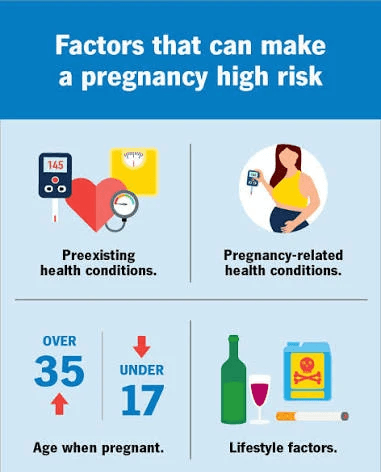
Hearing the words "high-risk pregnancy" can feel frightening, but the label is more common — and far less alarming — than most people assume. In medical terms, a high-risk pregnancy simply means there's a higher chance of complications for the mother, the baby, or both, and that closer monitoring is needed to manage that risk safely. With the right care plan, the overwhelming majority of high-risk pregnancies still result in healthy deliveries.
This article explains what causes a pregnancy to be classified as high-risk, the symptoms that warrant urgent attention, and what specialized care typically involves.
What Makes a Pregnancy "High-Risk"?
A pregnancy may be considered high-risk due to factors present before conception, or conditions that develop during the pregnancy itself.
Pre-Existing Factors
Maternal age — pregnancies under 18 or over 35 carry a slightly higher risk profile
Chronic conditions such as diabetes, high blood pressure, thyroid disorders, or heart disease
Obesity or being significantly underweight
History of pregnancy complications, such as previous preterm birth, miscarriage, or preeclampsia
Multiple pregnancy (twins, triplets, or more)
Conditions That Develop During Pregnancy
Gestational diabetes — blood sugar that rises specifically during pregnancy
Preeclampsia — a condition involving high blood pressure and organ strain, usually after 20 weeks
Placenta previa — the placenta partially or fully covers the cervix
Intrauterine growth restriction (IUGR) — the baby grows more slowly than expected
Abnormal amniotic fluid levels
Preterm labour risk
Warning Symptoms That Need Immediate Attention
While regular antenatal visits are designed to catch most complications early, certain symptoms should never wait for your next scheduled appointment.
Warning — seek immediate medical care if you experience:
Severe or persistent headaches
Blurred vision or seeing spots
Sudden swelling of the face, hands, or feet
Vaginal bleeding at any stage
Severe abdominal or chest pain
Reduced or absent fetal movement
Sudden leaking of fluid before your due date
High fever
Difficulty breathing
These symptoms don't automatically mean something is seriously wrong, but they always warrant prompt evaluation rather than a "wait and see" approach.
How High-Risk Pregnancies Are Monitored
Once a pregnancy is identified as high-risk, your care plan typically becomes more frequent and more detailed:
More frequent antenatal visits, sometimes weekly or even more often depending on the condition
Additional ultrasounds to monitor the baby's growth, position, and amniotic fluid levels
Doppler studies to check blood flow through the placenta and umbilical cord
Non-stress tests (NST) to monitor the baby's heart rate response to movement
Closer blood pressure and blood sugar tracking, sometimes including home monitoring
Coordination with specialists, such as cardiologists or endocrinologists, when relevant
Managing Common High-Risk Conditions
Gestational Diabetes
Managed through dietary changes, regular blood sugar monitoring, physical activity as advised, and medication or insulin if needed. Most women with well-managed gestational diabetes go on to have healthy deliveries.
Preeclampsia
Requires close blood pressure monitoring, sometimes medication to manage blood pressure, and in more advanced cases, planned early delivery to protect both mother and baby. Regular urine and blood tests help track organ function.
Placenta Previa
Depending on severity, this may require activity restrictions, avoiding certain physical activities, and planning for a C-section delivery if the placenta remains low near the due date.
What You Can Do to Support a Safer Pregnancy
Attend every scheduled antenatal appointment, even if you feel well
Take all prescribed medications and supplements consistently
Monitor and report symptoms honestly, even if they seem minor
Track fetal movements daily in the third trimester, and report any noticeable reduction
Maintain a balanced diet and appropriate physical activity as guided by your doctor
Avoid self-medicating or relying on unverified advice from non-medical sources
The Emotional Side of High-Risk Pregnancy
It's completely normal to feel anxious after a high-risk diagnosis. Many women find it helpful to ask their doctor direct questions about what their specific risk actually means, what signs to watch for, and what the realistic outlook is — rather than researching worst-case scenarios online. A trusted, communicative care team makes a significant difference in how manageable this period feels.
Frequently Asked Questions
1. Does a high-risk pregnancy mean something is definitely wrong?
No. It means there's a higher likelihood of complications that require closer monitoring — many high-risk pregnancies proceed with no serious complications at all when properly managed.
2. Can a high-risk pregnancy become low-risk over time?
In some cases, yes. For example, a pregnancy risk-flagged early due to family history may progress with no additional issues at all, though monitoring usually continues throughout.
3. Will I definitely need a C-section if my pregnancy is high-risk?
Not necessarily. Many high-risk pregnancies still result in a normal delivery. The delivery method is decided based on the specific condition and how the pregnancy progresses.
4. How often will I need checkups if my pregnancy is high-risk?
This varies by condition, but many high-risk pregnancies are monitored every one to two weeks, and sometimes weekly in the third trimester.
5. Can lifestyle changes reduce my risk during pregnancy?
Yes, in many cases. Balanced nutrition, appropriate physical activity, and consistent medical follow-up can meaningfully improve outcomes for many high-risk conditions.
6. Should I inform my doctor about symptoms that seem minor?
Yes, always. In high-risk pregnancies especially, it's better to report a symptom that turns out to be nothing than to delay reporting one that matters.
Conclusion
A high-risk pregnancy is not a verdict — it's a signal for closer attention and specialized care. With consistent monitoring, honest communication with your medical team, and prompt attention to warning symptoms, most high-risk pregnancies lead to safe, healthy outcomes for both mother and baby.
Trust Our High-Risk Pregnancy Care Team
At Chaitanya Hospital, Kadapa, we provide dedicated high-risk pregnancy monitoring backed by 24/7 emergency support. If you've been told your pregnancy needs closer attention, book an appointment today and let our experienced team guide you through a safer, well-supported pregnancy.
Have Questions?
Our medical team at Chaitanya Hospital is here to help. Book an appointment to discuss your questions with a doctor.


