Common Gynecological Problems Every Woman Should Never Ignore
Gynecology
Chaitanya Hospital Medical Team
7 min read

There's a quiet tendency among many women to normalize symptoms that aren't actually normal — heavy periods, persistent pelvic pain, unusual discharge — often because these issues feel embarrassing to discuss, or because they've simply always been "that way." But many gynecological conditions are highly treatable when caught early, and delaying evaluation often means living with discomfort that doesn't need to be tolerated.
Here are the gynecological symptoms that genuinely deserve medical attention, and what they might indicate.
1. Irregular or Absent Periods
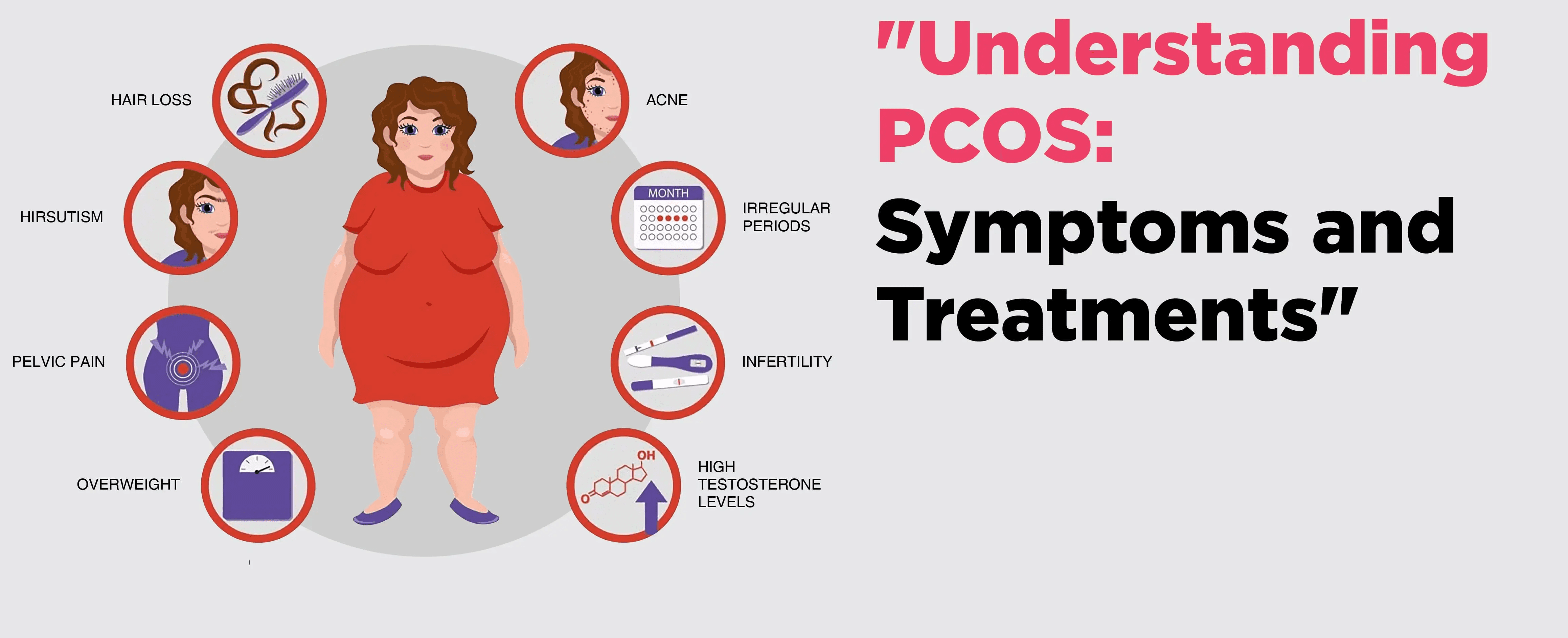
Occasional cycle variation is normal, but consistently irregular or missing periods can point to underlying hormonal conditions such as PCOS, thyroid disorders, or other imbalances.
When to see a doctor: if your cycle is consistently shorter than 21 days or longer than 35 days, or if you miss periods for three months or more without being pregnant.
2. Heavy or Prolonged Bleeding
Periods that soak through a pad or tampon every hour for several consecutive hours, or that last longer than seven days, are considered abnormally heavy and can lead to anemia over time.
Possible causes: uterine fibroids, polyps, hormonal imbalances, or in some cases, underlying bleeding disorders.
3. Severe Menstrual Pain
Mild period discomfort is common, but pain severe enough to interfere with daily activities is not something to simply endure.
Possible causes: endometriosis, fibroids, or pelvic inflammatory disease. Endometriosis in particular is frequently under-diagnosed because its pain is often dismissed as "normal" period cramps.
4. Unusual Vaginal Discharge
Some discharge is a normal part of the menstrual cycle, but changes in colour, consistency, odour, or accompanying itching or burning can signal infection.
Warning signs: greenish, greyish, or foul-smelling discharge, discharge accompanied by itching or burning, or discharge with pelvic pain — these should be evaluated rather than self-treated.
5. Pelvic Pain Outside of Periods
Persistent pelvic pain unrelated to your menstrual cycle can have several causes, including ovarian cysts, endometriosis, fibroids, or pelvic infections.
When to see a doctor: if pain is persistent, worsening, or accompanied by fever, unusual bleeding, or pain during urination or intercourse.
6. Pain During Intercourse
This is a symptom many women don't mention to their doctor out of discomfort, but it's a legitimate medical concern with treatable underlying causes ranging from infections and hormonal changes to endometriosis or pelvic floor conditions.
7. Unexplained Bleeding Between Periods or After Menopause
Bleeding at unexpected times — between periods, after intercourse, or any bleeding after menopause — should always be evaluated. While there are many benign causes, this symptom should never be assumed harmless without medical assessment.
Warning: Post-menopausal bleeding, in particular, should always be evaluated promptly by a gynecologist, as it requires ruling out more serious underlying causes even though most cases turn out to have a benign explanation.
8. Lumps or Changes in the Breast
While not strictly gynecological, breast changes are typically assessed alongside women's reproductive health. Any new lump, dimpling, nipple discharge, or persistent pain should be evaluated promptly.
9. Persistent Bloating or Abdominal Swelling
Occasional bloating is normal, but persistent bloating that doesn't resolve, especially alongside pelvic pain, changes in appetite, or urinary changes, warrants evaluation to rule out ovarian conditions.
10. Recurrent Urinary Tract Infections
Frequent UTIs, especially when linked to pelvic pain or unusual discharge, may need broader gynecological evaluation beyond standard antibiotic treatment.
Why Early Evaluation Matters
Many gynecological conditions — from fibroids to endometriosis to hormonal imbalances — are far easier to manage when caught early. Delaying care often means symptoms worsen gradually until they significantly affect quality of life, fertility, or require more invasive treatment than would have been needed with earlier intervention.
What to Expect at a Gynecology Visit
An open discussion of your symptoms, menstrual history, and any concerns — nothing is "too embarrassing" to mention
A physical examination, which may include a pelvic exam depending on your symptoms
Relevant tests such as an ultrasound, blood tests, or infection screening
A clear explanation of findings and next steps, whether that's monitoring, medication, or further testing
Frequently Asked Questions
1. Is it normal to have some period pain every month?
Mild discomfort is common, but pain that disrupts daily life or requires strong medication every cycle is not something to simply accept — it deserves evaluation.
2. How do I know if my discharge is abnormal?
Normal discharge is typically clear to white and odourless. Changes in colour, strong odour, or accompanying itching or irritation are signs worth discussing with your doctor.
3. Should I see a gynecologist even if I'm not sexually active?
Yes. Many gynecological conditions, including menstrual irregularities and hormonal imbalances, are unrelated to sexual activity and can affect any woman.
4. Is bleeding between periods always serious?
Not always, but it should always be evaluated, since the range of possible causes includes both minor and more significant conditions.
5. How often should I have a routine gynecological checkup?
Most women benefit from an annual gynecological checkup, even without specific symptoms, to support preventive care and early detection.
6. Can gynecological problems affect fertility if left untreated?
Yes, in some cases. Conditions like endometriosis, fibroids, and hormonal imbalances can affect fertility over time, making timely evaluation especially important if you're planning a future pregnancy.
Conclusion
No gynecological symptom is too small or too embarrassing to bring up with your doctor. Many of the conditions behind these symptoms are common, well understood, and highly treatable — but only if they're evaluated rather than quietly endured.
Schedule Your Gynecology Consultation
At Chaitanya Hospital, Kadapa, our gynecology team creates a comfortable, judgment-free space to discuss any symptom, big or small. Book an appointment today and take the first step toward answers and relief.
Have Questions?
Our medical team at Chaitanya Hospital is here to help. Book an appointment to discuss your questions with a doctor.